AI Writing
Write an Academic AI Disclosure That Describes the Work You Did
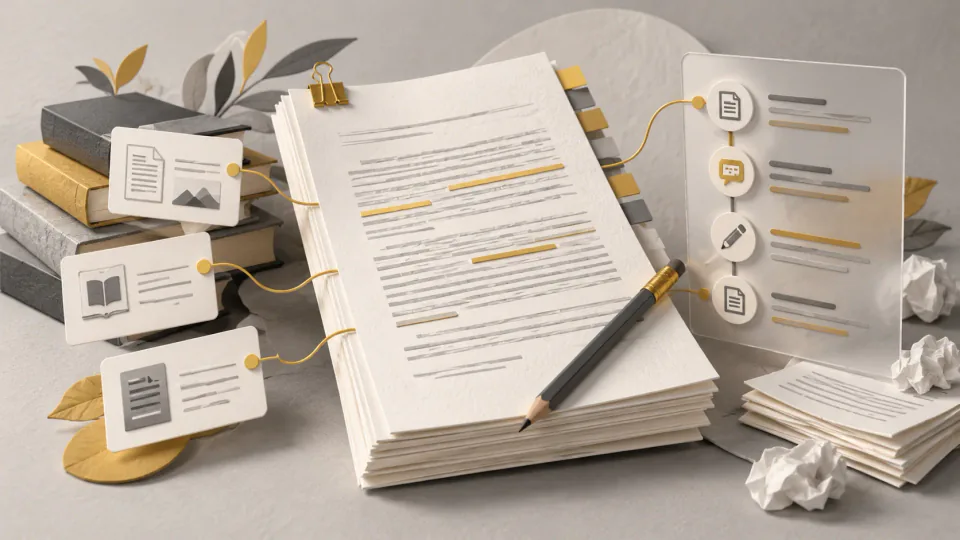
Record the tool's role, identify the sections it influenced, explain your checks, and follow the specific assignment or publication rule for an accurate AI disclosure.
Practical guides for natural writing, thoughtful AI use, and the work of revision.
Make ChatGPT and AI-assisted drafts clearer, more natural, and easier to review.
Understand detector limits, false positives, and safer review workflows for students.
Practical guides on detector signals, policy-aware editing, and responsible use.
Help non-native English writers improve rhythm, tone, and sentence clarity.
Compare humanizers, paraphrasers, grammar tools, and manual editing workflows.
Record the tool's role, identify the sections it influenced, explain your checks, and follow the specific assignment or publication rule for an accurate AI disclosure.
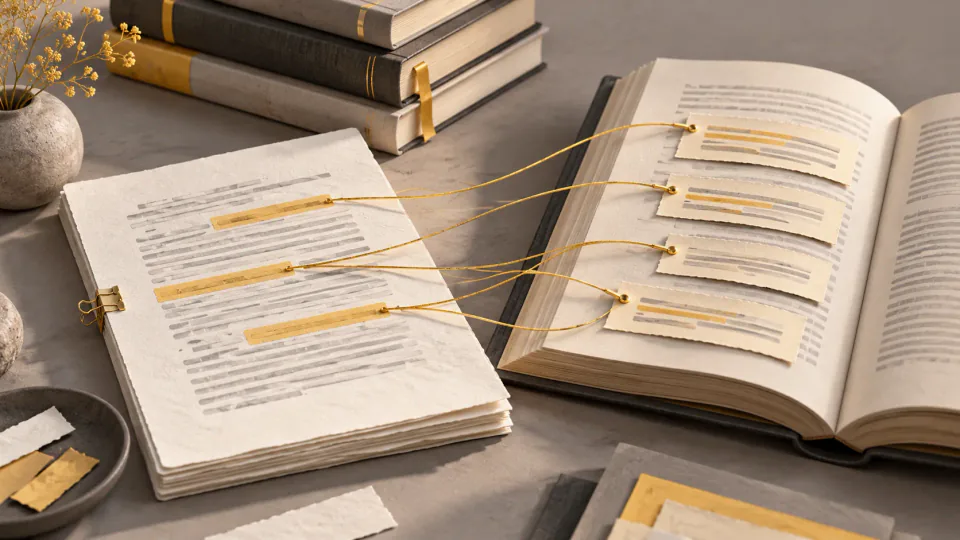
Audit the sources behind an AI-assisted draft, identify close paraphrases, repair attribution, and distinguish a useful source review from a similarity or detector score.
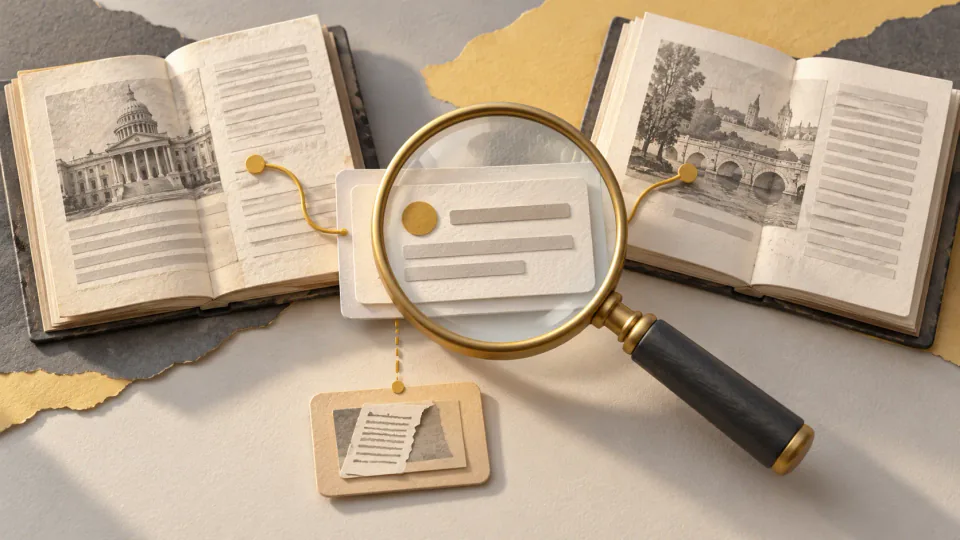
Use a claim-by-claim fact-checking workflow to verify sources, quotations, dates, numerical claims, and citations before relying on an AI-assisted draft.

Find repeated ideas, merge paragraphs with the same job, and vary distracting sentence patterns while preserving useful terminology, evidence, and logical connections.
Plan a realistic cut budget, remove duplicated work, and shorten sentences while protecting the evidence, qualifications, and connections that make your argument valid.